
Gabapentin: Easing Anxiety and Pain in Pets During Vet Visits


Vet visits can be a stressful experience for pets and their owners. The unfamiliar environment, strange smells, and new faces can cause anxiety in even the calmest of animals. For pets dealing with chronic pain, the situation becomes even more challenging. Fortunately, medications like Gabapentin can help ease these issues, making visits to the vet less stressful for everyone involved.

What is Gabapentin?
Gabapentin is a medication originally developed for humans to treat seizures and neuropathic pain. However, it has been found to be highly effective in managing pain and anxiety in pets as well. It works by altering the way nerves send messages to the brain, which can help reduce pain signals and anxiety responses.
When prescribed by a veterinarian, Gabapentin can be an invaluable tool for easing the discomfort and stress that pets may experience during vet visits. It's important to note that Gabapentin should only be used under the guidance of a vet to ensure the right dosage and to monitor any potential side effects.
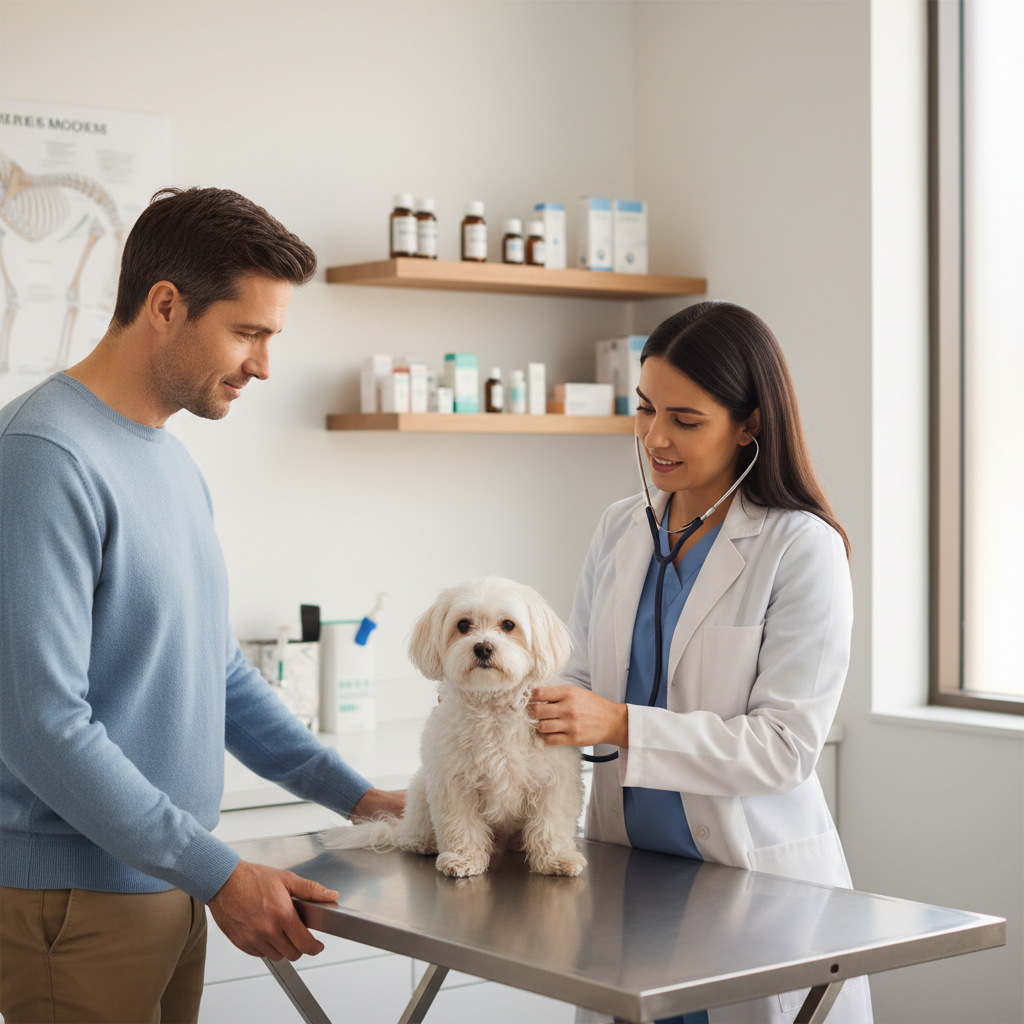
How Gabapentin Eases Anxiety in Pets
Anxiety in pets can manifest in various ways, from excessive barking to destructive behavior. Gabapentin helps by providing a calming effect, which can be particularly beneficial during vet visits. Here are some of the ways Gabapentin can help:
- Reduces stress responses: By calming the nervous system, Gabapentin can help pets feel more relaxed.
- Improves cooperation: A less anxious pet is more likely to cooperate with the vet, making examinations and treatments easier.
- Minimizes fear aggression: Anxiety can sometimes lead to aggression in pets, which Gabapentin can help mitigate.

Pain Management with Gabapentin
For pets dealing with chronic pain, Gabapentin offers relief by targeting the nerve pathways that transmit pain signals. This makes it an effective option for managing conditions such as arthritis, cancer-related pain, and neuropathy.
By alleviating pain, pets are more comfortable and less stressed, which can improve their overall quality of life. It's important for pet owners to work closely with their veterinarian to determine the right dosage and to monitor the pet's response to the medication.
Potential Side Effects
While Gabapentin is generally well-tolerated, there are some potential side effects to be aware of. These may include:
- Mild sedation or drowsiness
- Loss of coordination
- Gastrointestinal upset
If any of these side effects are observed, pet owners should contact their veterinarian to discuss whether adjustments to the dosage or alternative treatments are necessary.
Conclusion
Gabapentin provides a valuable solution for managing anxiety and pain in pets during vet visits. By understanding how this medication works and collaborating with a veterinarian, pet owners can ensure their furry friends experience less stress and discomfort, leading to more positive vet visits and improved well-being.
Ultimately, the goal is to make veterinary care a less daunting experience for pets, ensuring they receive the necessary medical attention without undue stress.